PP Corrugated Sheets and PP Bubble Guard Sheets: Lightweight Protection and Packaging Explained

Posted by

Not every material needs to be glossy or expensive. In packaging, construction, advertising and logistics, some of the most useful products are the simple, tough sheets that protect goods and surfaces. Two of the most useful are PP corrugated sheets and PP bubble guard sheets.

Both are made from polypropylene, a lightweight and durable plastic. Both are reusable, waterproof and easy to cut. This guide explains how PP corrugated sheets and PP bubble guard sheets differ, where each one is used and how to choose the right one for your work.

What Is Polypropylene?

Polypropylene, or PP, is a thermoplastic polymer used in packaging, automotive parts, containers and textiles. It is valued for its toughness, chemical resistance, low weight and low cost. It is also recyclable, which makes PP sheet a more sustainable alternative to single-use cardboard in many applications.

What Are PP Corrugated Sheets?

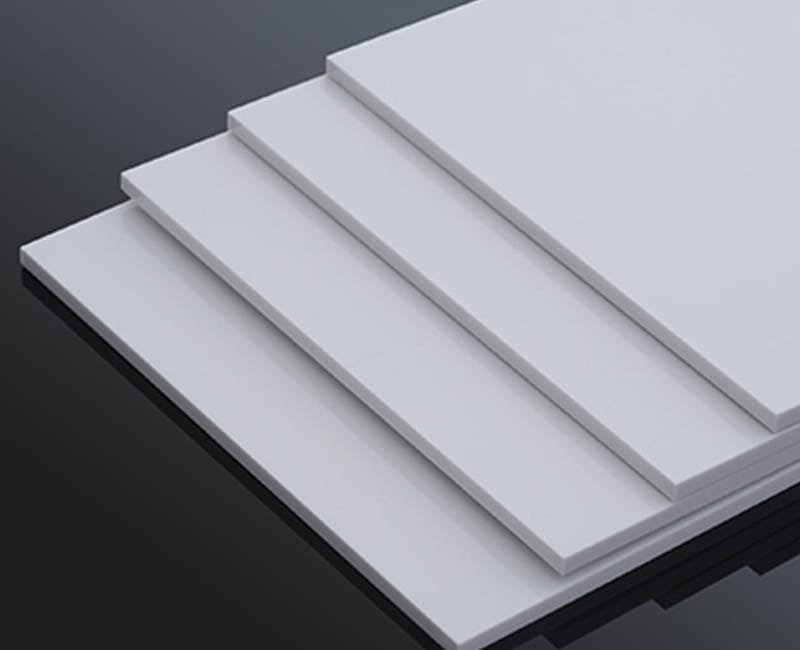
A PP corrugated sheet has two flat outer layers joined by a ribbed or fluted inner layer, similar to cardboard. The hollow channels make the sheet stiff and strong while keeping it very light. You may also hear these products called PP flute boards, Sunpack sheets, Coroplast, twin-wall sheets or correx.

Main features

  • Waterproof: Does not absorb moisture, so it will not soften or collapse when wet.
  • Lightweight: Easy to carry, stack and install.
  • Impact resistant: Handles knocks and drops better than cardboard.
  • Reusable: Can be wiped clean and used again many times.
  • Printable: Accepts screen printing, digital and UV printing.
  • Easy to cut: A knife, scissors, saw or die-cutter will do.
  • Available in many colours, thicknesses and weights: Common thicknesses range from 2 mm to 10 mm.

Where PP corrugated sheets are used

  • Advertising: Election boards, real estate signs, event signage, directional boards and temporary banners.
  • Packaging: Reusable boxes, trays, dividers, layer pads and crates for fruit, vegetables, glass, auto parts and electronics.
  • Construction: Floor, door, window, tile and countertop protection during building and renovation.
  • Stationery and storage: Files, folders, boxes and organisers.
  • Agriculture: Seedling trays, crop protection and plant labels.
  • Display and exhibitions: Temporary partitions, display backdrops and stand panels.

What Are PP Bubble Guard Sheets?

A PP bubble guard sheet has a honeycomb or bubble-like core sandwiched between two polypropylene skins. This structure traps air, producing a sheet that combines cushioning with firm protection. It is lighter than a solid sheet, it spreads impact across a wide area and it holds its shape when walked on or loaded with weight.

Main features

  • Superior cushioning: The air-filled core absorbs shocks and prevents dents.
  • High compressive strength: Supports foot traffic and heavy equipment without crushing.
  • Water and chemical resistant: Cleans easily and resists stains from paint, plaster and oils.
  • Self-adhesive options: Some sheets come with a tape strip for quick installation.
  • Reusable and long-lasting: Stays flat and intact over many jobs.
  • Roll or sheet format: Rolls are convenient for long surfaces such as corridors and staircases.

Where PP bubble guard sheets are used

  • Floor protection during painting, tiling, carpentry and renovation work
  • Staircase, lift and corridor protection in homes, hotels and offices
  • Protecting new flooring such as marble, tile, timber and vinyl during handover
  • Packing and shipping of fragile goods, appliances and furniture
  • Industrial layer pads and separators between stacked products
  • Protecting vehicles and machinery surfaces during transport and storage

Comparing the Two

  • Structure: Corrugated sheet has parallel flutes; bubble guard has a honeycomb or bubble-style core.
  • Best for printing and signage: Corrugated sheet gives a flat, printable surface.
  • Best for floor and surface protection: Bubble guard gives better cushioning and resistance to heavy loads.
  • Best for packaging boxes and dividers: Corrugated sheet is easy to cut, fold and shape.
  • Best for fragile goods and shipping: Bubble guard gives extra impact protection.
  • Cost: Corrugated sheet is typically cheaper per square metre. Bubble guard costs more but protects better.

How to Choose the Right Sheet

  1. Check the thickness. Thin sheets of 2 to 3 mm suit signs and light packaging. Thicker 4 to 10 mm sheets suit crates and heavy-duty protection.
  2. Check the weight in GSM. Heavier grams per square metre means a stronger sheet. Higher GSM sheets cost more but last longer.
  3. Consider the colour. White, black, blue, green, yellow and red are common. Pick a colour that suits your branding or helps identify product categories.
  4. Think about UV exposure. If the sheet will sit outdoors, choose a UV-stabilised grade to prevent brittleness.
  5. Think about the print method. For heavy printing, choose a sheet that is corona-treated for better ink adhesion.
  6. Plan for volume. Larger orders reduce unit costs and make repeat sizing easier.

Tips for Installation and Use

For floor protection

Make sure the floor is clean and dry before laying the sheet. Overlap joints by a few centimetres and seal them with masking tape or a suitable adhesive tape. Avoid tape that leaves a residue on delicate flooring such as timber or polished stone. For extra protection in heavy-traffic areas, lay two layers.

For signs

Cut to size with a sharp knife, round the corners to prevent tearing and reinforce larger boards with a frame or backing strip. Use cable ties, eyelets or H-stakes to mount lightweight outdoor signs.

For packaging

Use a die cutter or template for repeat shapes. Fold along the flutes rather than across them for clean bends, and use plastic rivets, clips or tape to join pieces.

Sustainability and Cost Savings

Because PP sheets are reusable and recyclable, they often work out cheaper over time than single-use cardboard and plastic wrap. A bubble guard sheet used on ten building sites costs far less per use than ten rolls of paper and tape. Businesses that use returnable PP crates for deliveries also cut packaging waste and reduce damage rates.

Common Mistakes to Avoid

  • Using thin corrugated sheet for heavy loads, which will buckle
  • Leaving sheets in direct sun for long periods without UV protection
  • Cutting across the flutes and weakening the structure
  • Using strong adhesive tape directly on delicate flooring
  • Failing to leave gaps for expansion in large panels

Storage and Handling Tips

Store PP sheets flat on a clean, dry surface, away from direct sun and heat sources. Rolls of bubble guard should be kept upright or on a rack so the edges do not deform. Sheets stacked for long periods should have a sheet of plain cardboard between printed layers to avoid ink marks. When transporting, secure the stack so the corners do not bend, because creases in the flutes are permanent and weaken the board. Proper handling keeps the material in good condition for the next job and improves how many times it can be reused.

Source PP Sheets from Maestro Glas

Maestro Glas supplies PP corrugated sheets and PP bubble guard sheets along with a wide range of plastic sheets and display materials. We can help you choose the right thickness, GSM and colour for your use, whether you are protecting a new floor or building a reusable packaging system.

Contact Maestro Glas today to request a quote on PP corrugated sheets and PP bubble guard sheets.

About mahesh

Leave a Reply

Your email address will not be published. Required fields are marked *

Related Posts