Acrylic rewards precision and punishes shortcuts. Cut it with the wrong blade and it chips. Heat it too fast and it bubbles. Polish it unevenly and it clouds instead of shining. The good news: with the right tools and a methodical approach, you can get fabrication-shop results even on a DIY bench. Here’s how the professionals do it.
Getting the Cut Right
Choose the right blade. For straight cuts, a fine-toothed carbide-tipped blade (60–80 teeth) designed for plastics prevents chipping far better than a standard wood blade. For curves and intricate shapes, a scroll saw or jigsaw with a fine plastic-cutting blade works best.
Support the sheet fully. Acrylic flexes and can crack under its own weight if unsupported during cutting. Always cut on a flat, fully supported surface, and keep the protective film on until fabrication is complete — it prevents surface scratches from tools and clamps.
Cut slowly, let the blade do the work. Forcing the sheet through a blade generates heat, which melts the edge and causes it to re-fuse behind the blade, leading to chipping and cracking. A slow, steady feed rate with light pressure gives a cleaner edge every time.
Score-and-snap for thinner sheets. For sheets under 6mm, scoring the surface repeatedly with a specialized acrylic cutter and snapping along a straight edge is faster and produces excellent results without power tools — ideal for smaller DIY and hobby projects.
Shaping Without Cracking
Heat-bending for curves. Acrylic becomes pliable at around 150–170°C. Using a strip heater along the bend line (never a general heat gun for structural bends, as it heats unevenly) allows clean, consistent curves. Bend slowly and hold the shape until fully cooled to lock it in.
Drilling holes. Standard twist bits tend to grab and crack acrylic. Use bits specifically ground for plastics, run at moderate speed, and back off frequently to clear chips and prevent heat buildup. Always drill from a supported, clamped position.
Routing and CNC cutting. For complex shapes, logos, or high-volume production, a router or CNC machine with a single- or double-flute plastic-cutting bit delivers the cleanest, most repeatable results — which is why fabrication shops rely on CNC for signage and retail display components.
Polishing to a Glass-Like Finish
Flame polishing. A quick, controlled pass with a hydrogen or propane torch melts the very top layer of a cut edge, creating a glossy, transparent finish almost instantly. This is the fastest professional method but requires practice — too slow a pass causes bubbling or discoloration.
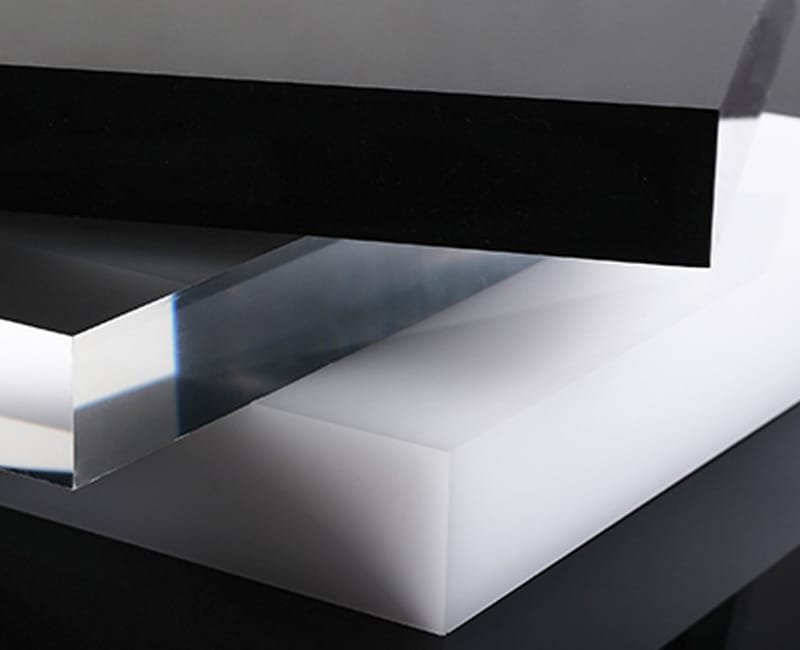
Buffing and diamond polishing. For a more controlled, scratch-free result — especially on thicker sheets — progressive sanding (starting at 400 grit and working up to 2000 grit) followed by a buffing wheel with plastic polish compound produces a flawless, optically clear edge without any flame risk.
Cutting oil and cooling. Whichever method you use, keeping the sheet cool during any mechanical shaping (sanding, routing, drilling) prevents the micro-cracking that leads to cloudy, stressed edges later.
Common Mistakes That Ruin a Finish
Removing the protective film too early is the single most common cause of scratched panels. Using a wood or metal blade instead of a plastics-rated one is the leading cause of chipped edges. And rushing a flame-polish pass almost always leaves visible burn marks or warping — patience here pays off directly in finish quality.
When to Let the Professionals Handle It
Simple straight cuts and light sanding are well within reach of a careful DIYer. But for large-format panels, complex curves, precision engraving, or anything destined for a public-facing display, professional fabrication saves time, material, and rework. Maestroglas’s in-house facility handles custom cutting, edge polishing, engraving, and lamination on projects of any size — so you get factory-precision results without the trial and error.
Need a custom-cut or polished acrylic panel? Get a free quote from Maestroglas — our team can advise on the right fabrication approach for your project before you cut a single sheet.