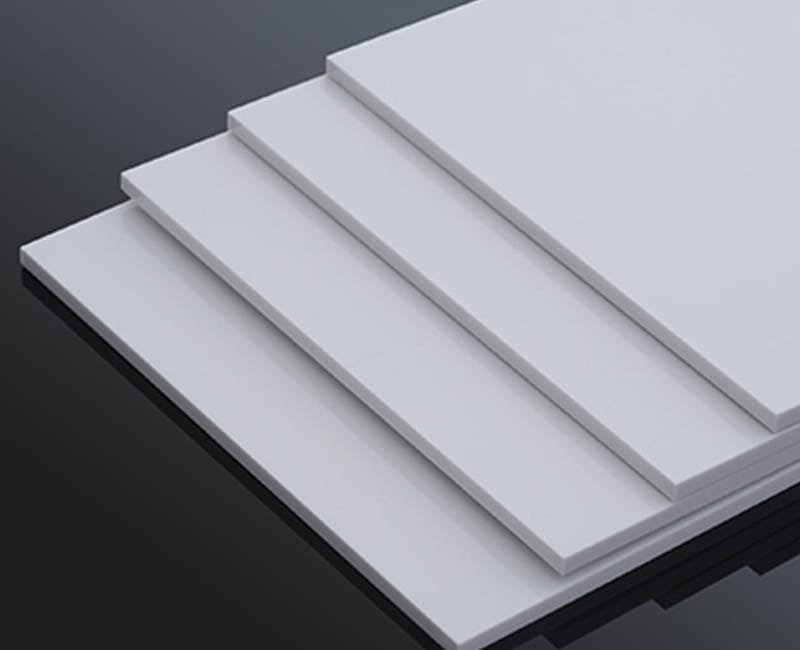
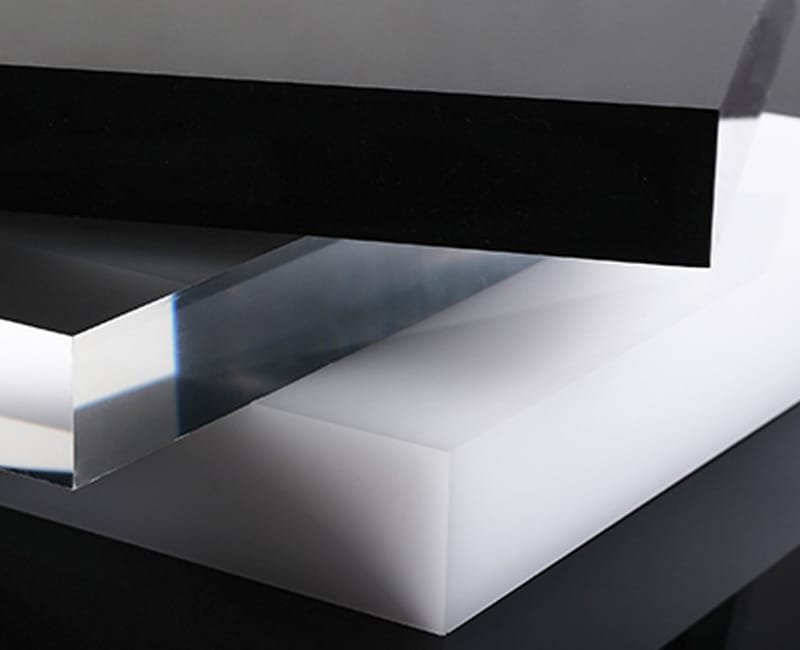
Acrylic, also known as PMMA or Perspex, is one of the most widely used plastics in signage, retail displays, furniture, lighting and architecture. It is clear, strong, light and easy to work with. But not all acrylic is the same. The way a sheet is made has a big effect on how it cuts, bends, bonds and finishes.
Many buyers see two options when they shop: cast and extruded. This guide explains the difference, shows where cast acrylic performs best, and helps you decide whether PT Glas cast acrylic sheets are the right choice for your next project.
What Is Cast Acrylic?
Cast acrylic is made by pouring liquid methyl methacrylate monomer into a mould formed between two sheets of glass. The material then polymerises slowly under controlled temperature. This slow curing produces long, uniform polymer chains, which give the finished sheet excellent optical clarity, a consistent thickness and high surface hardness.
Extruded acrylic, by contrast, is pushed continuously through rollers in a manufacturing line. It is quicker and cheaper to produce, and it holds tighter thickness tolerances, but its internal structure is different, which affects how it behaves when machined or bonded.
Cast vs Extruded Acrylic at a Glance
- Clarity and surface finish: Cast acrylic typically offers a deeper, glass-like finish with light transmission of around 92 per cent. Extruded sheets are also clear but can show slight surface variations.
- Machining: Cast acrylic has a higher molecular weight and a higher melting point, so it cuts and routes cleanly without gumming up the blade or bit. Extruded sheet softens and can re-weld behind the cutter.
- Polishing: Cast acrylic takes a brilliant flame or buffed polish on its edges.
- Thermoforming: Extruded sheet forms at lower temperatures and is more predictable for deep draws. Cast acrylic can be thermoformed, but it needs higher temperatures.
- Chemical resistance: Cast acrylic generally resists solvents and stress cracking better.
- Thickness range and colours: Cast sheets are available in a wide range of thicknesses and in many colours, including opal, black, white, mirror and fluorescent finishes.
- Price: Cast acrylic costs more per sheet, but that cost often pays back in less waste and better results.
Why Fabricators Prefer PT Glas Cast Acrylic Sheets
Outstanding optical quality
For lit signs, display cases, aquariums, picture frames and skylights, clarity matters. Cast acrylic transmits more light than most glass and does not have the green tint seen in thick glass edges. It stays crystal clear even at heavy thicknesses, which makes it a favourite for premium work.
Easy, clean machining
Anyone who has cut acrylic knows that quality varies. Cast sheets machine well with CNC routers, laser cutters and saw blades. On a router, they produce clean edges with little chipping. On a laser, they leave a frosted engraving that stands out against the clear body, which is why cast acrylic is the standard choice for engraved awards, nameplates and decorative panels.
Better strength and stability
Acrylic is around ten times more impact resistant than ordinary glass and about half the weight. Cast sheets tend to hold up well in demanding indoor and outdoor uses, and they resist yellowing when exposed to UV light. That makes them well suited to outdoor signage, shopfronts and canopies.
Consistent bonding
Cast acrylic is more resistant to stress crazing than extruded sheet, which makes bonded joints neater and more reliable. We cover adhesives in detail in our companion guide on cyanoacrylate adhesive for acrylic.
Popular Uses for Cast Acrylic
- Illuminated and non-illuminated signage, including letters, logos and face plates
- Retail displays, shelves, stands, brochure holders and product risers
- Light boxes and diffusers using opal or white sheet
- Laser-engraved awards, trophies, plaques and gifts
- Furniture, partitions and décor panels
- Protective shields, sneeze guards and counter screens
- Aquariums, display cases and museum covers
- Picture framing as a lightweight alternative to glass
How to Cut and Work Cast Acrylic
Cast acrylic is easy to work with when you follow a few basic rules.
- Leave the masking on. The protective film guards against scratches during cutting, drilling and handling. Remove it only when you are ready to finish.
- Use the right blade. A fine-tooth saw blade or a single-flute router bit suited to plastics gives clean results. Feed slowly and steadily.
- Support the sheet. Clamp it firmly to a flat surface to prevent vibration, which leads to chipping.
- Drill carefully. Use a drill bit designed for plastics, apply light pressure and back out often to clear swarf. Drill pilot holes before enlarging.
- Finish the edges. Scrape, sand with progressively finer paper and then buff or flame polish for a glossy look.
- Anneal if needed. For parts that will be bonded or exposed to solvents, annealing in an oven relieves internal stress and reduces the risk of cracking.
Bending and Forming Cast Acrylic
Acrylic softens when heated to around 150 to 160 degrees Celsius, at which point it can be bent or formed into curves. A strip heater is ideal for straight bends. For three-dimensional shapes, an oven and a mould or former are used. Heat evenly, avoid overheating, which causes bubbles, and hold the piece in position until it cools completely.
Caring for Acrylic Sheets
Acrylic scratches more easily than glass, so a little care goes a long way. Clean with a soft microfibre cloth and mild soapy water. Avoid ammonia-based cleaners, alcohol and abrasive pads, which can cloud or craze the surface. For light scratches, a plastic polish restores clarity. Store sheets flat or on a slight angle, with protective film in place, and keep them away from sharp edges.
Choosing the Right Sheet
When you order, think about four things:
- Thickness: Thin sheets of 2 to 3 mm suit small displays and frames. Choose 5 to 8 mm for shelves and signs, and 10 mm or more for structural panels.
- Colour and finish: Clear, opal, black, white and coloured options give different effects, particularly when backlit.
- Sheet size: Standard sheets are often 8 by 4 feet. Buying the right size reduces offcuts.
- Application: Outdoor use calls for UV-stabilised sheet, and machining-intensive work benefits from cast grades.
Is Cast Acrylic Worth the Extra Cost?
If you are making an everyday part such as a basic cover or a thermoformed shell, extruded acrylic can be a perfectly good, cost-effective choice. If you need superior clarity, clean machining, a polished edge or long-term durability, then PT Glas cast acrylic sheets are usually the better investment. The price difference is often small compared with the cost of labour, tooling and replacement.
Buy With Confidence
Maestro Glas supplies acrylic sheets, plastics and display materials for signage makers, fabricators, designers and retailers. Our team can help you pick the right thickness, size and colour for your job and can supply the adhesives and accessories to complete it.
Ready to start your next project? Contact Maestro Glas today to request a quote on PT Glas cast acrylic sheets.