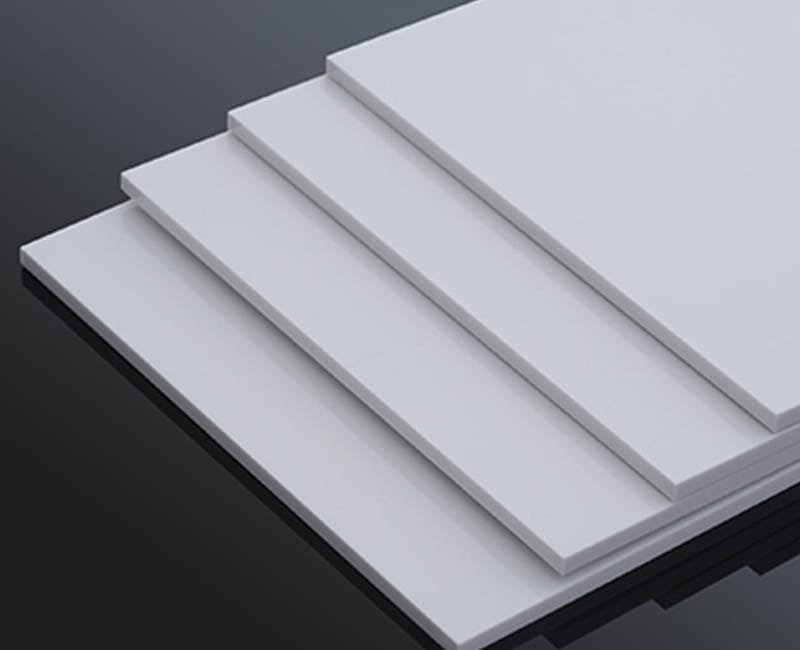
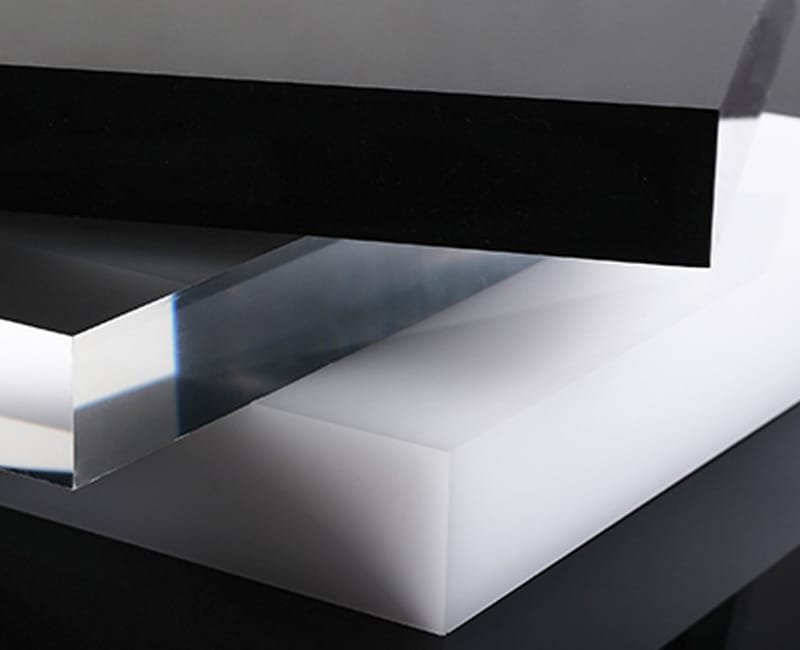
As sustainability moves from a nice-to-have to a genuine procurement criterion, more buyers are asking whether recycled acrylic is a real environmental win — or just a marketing label on the same material. The honest answer is more nuanced than either extreme, and understanding the trade-offs helps you make a decision that’s actually good for your project and the planet.
How Acrylic Production Impacts the Environment
Standard virgin acrylic is derived from petrochemical feedstocks and requires significant energy input during polymerization. The environmental footprint comes from three main sources: raw material extraction, the energy-intensive casting or extrusion process, and — often overlooked — the disposal stage, since acrylic can take centuries to break down in landfill if not recycled.
This is where recycled acrylic enters the conversation. By reclaiming post-industrial offcuts (excess material from manufacturing) or post-consumer acrylic (products at end of life) and reprocessing them into new sheets, manufacturers can reduce both raw material demand and landfill volume.
What “Recycled Acrylic” Actually Means
Not all recycled acrylic is created equal, and it’s worth understanding the categories before assuming a product is automatically greener:
Post-industrial recycled (PIR) acrylic uses clean manufacturing offcuts that never reached a customer. This material typically maintains near-virgin quality and consistency because the source material is well-controlled and contamination-free.
Post-consumer recycled (PCR) acrylic reclaims acrylic from products that have completed their lifecycle. This has a stronger sustainability story — it’s diverting real waste from landfill — but often requires more processing to remove contaminants, which can introduce more variability in clarity and strength.
Blended recycled content sheets combine recycled material with virgin resin to balance environmental benefit with consistent performance, and are currently the most common commercially viable option for structural and display-grade applications.
The Real Trade-Offs
Clarity and optical quality. Pure recycled acrylic can show a very slight tint or minor optical imperfections compared to virgin cast acrylic, particularly at higher recycled content percentages. For applications where crystal clarity is the top priority — high-end display cases, optical components — this is worth testing with a sample first.
Strength and consistency. Well-processed recycled acrylic from a reputable manufacturer performs comparably to virgin material for the vast majority of applications: signage, retail fixtures, partitions, and general fabrication. The performance gap has narrowed significantly as recycling and reprocessing technology has matured.
Cost. Recycled acrylic is often price-competitive with, and sometimes cheaper than, virgin acrylic, because it reduces raw material input costs — making sustainability and budget considerations align rather than compete.
Genuine environmental benefit. Choosing recycled acrylic does measurably reduce demand for virgin petrochemical feedstock and diverts material from landfill. It’s not a marketing illusion — but the magnitude of the benefit depends on the recycled content percentage and the sourcing transparency of your supplier.
Questions to Ask Before Buying “Eco-Friendly” Acrylic
Before treating a recycled or eco label at face value, ask your supplier: What percentage of the sheet is actually recycled content? Is it post-industrial, post-consumer, or blended? What quality testing does the recycled material undergo compared to virgin sheets? A credible supplier will answer these directly rather than relying on vague “eco-friendly” language alone.
Is It Worth It for Your Project?
For most signage, retail display, interior design, and general fabrication applications, recycled or eco-conscious acrylic delivers equivalent real-world performance at a comparable or better price point — making it an easy choice with a genuine environmental upside. The exceptions are highly specialized optical or precision applications, where it’s worth testing a sample against your exact clarity and strength requirements before committing to a large order.
Maestroglas’s Approach to Sustainable Acrylic
Our MaestroEco range is built specifically around eco-conscious production methods, reducing environmental impact while maintaining the durability and clarity our customers expect from Maestroglas. We’re transparent about our manufacturing process and happy to walk you through exactly what goes into each sheet — including a factory visit if you’d like to see it firsthand.
Curious whether recycled acrylic fits your next project? Request a free sample from our MaestroEco range and compare it against standard acrylic for your specific application.